


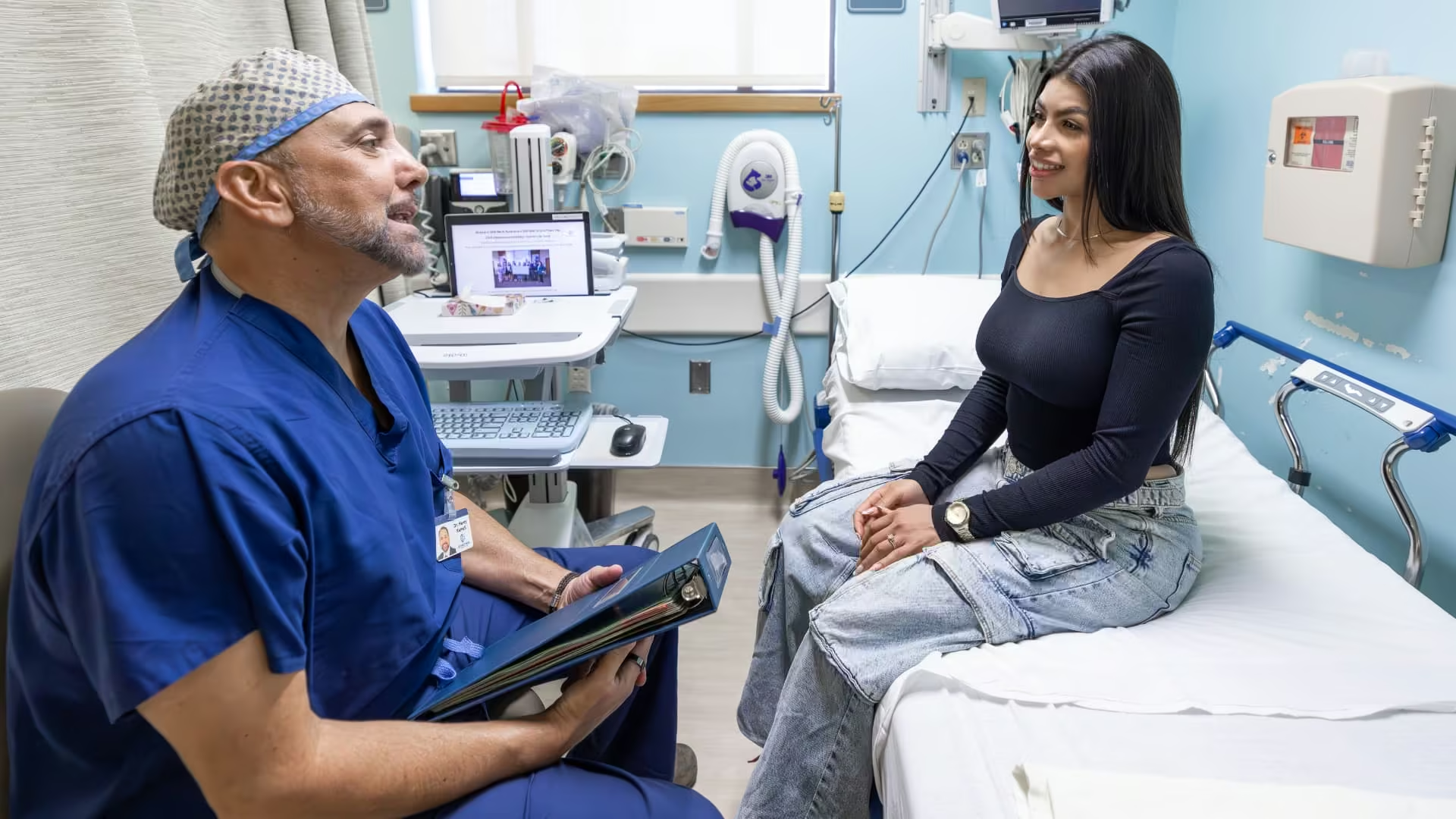
Facing surgery can bring up a lot of questions, and for many patients, anesthesia is one of the biggest concerns. It's common to wonder, "What if something goes wrong with my anesthesia?" But it’s important to understand that serious anesthesia complications are rare today thanks to modern medications, advanced monitoring technology, and highly trained physician anesthesiologists. Anesthesia is safer today than at any point in history because of continuous improvements in training, equipment, and patient safety standards.
One of the best ways to reduce your risk is to prepare well before your procedure and choose experienced physicians. Continue reading to learn how to prepare for anesthesia and where to find the best anesthesiologists in San Jose who will create an anesthesia plan designed specifically for you.
What Increases the Risk of Anesthesia Complications?
Every patient has a different level of risk. Age alone is rarely the deciding factor. Instead, anesthesiologists evaluate your overall health, the type of procedure you're having, and how your body is likely to respond to anesthesia. Factors that may increase the risk of complications include:
- Heart or lung disease
- Diabetes
- High blood pressure
- Kidney or liver disease
- Obesity
- Obstructive sleep apnea
- Smoking or vaping
- Heavy alcohol use
- Certain prescription medications
- Previous reactions to anesthesia
- A family history of anesthesia complications
Most of these conditions do not prevent you from safely receiving anesthesia. They simply require additional planning.
What Should You Tell Your Anesthesiologist Before Surgery?
An anesthesia evaluation is more than a routine checklist. Every answer helps your anesthesia physician determine which medications, monitoring techniques, and pain management strategies are safest for you. Before surgery, you should be sure to discuss:
- Every prescription medication you take
- Vitamins and herbal supplements
- Cannabis, nicotine, alcohol, or recreational drug use
- Drug or latex allergies
- Any previous problems with anesthesia
- Family members who experienced anesthesia complications
- Symptoms of sleep apnea, even if you have never been formally diagnosed
- Recent illnesses, including fevers or respiratory infections
Some patients hesitate to mention cannabis use or herbal supplements because they assume they are unrelated to surgery. In reality, both can affect anesthesia medications, blood pressure, bleeding risk, or recovery time. The more complete your information, the better your anesthesiologist can tailor your care.
How Can You Prepare in the Days Before Surgery?
Preparing for general anesthesia begins well before you arrive at the hospital. Following your preoperative instructions carefully is one of the easiest ways to improve your safety. Additionally, you’ll also want to:
- Follow fasting instructions exactly as directed
- Take only medications your physician tells you to take the morning of surgery
- Ask whether blood thinners, diabetes medications, or weight loss medications should be adjusted
- Stay well hydrated unless instructed otherwise
- Stop smoking if possible, even a few weeks beforehand
- Arrange for someone to drive you home after outpatient procedures
- Notify your surgical team immediately if you develop a fever, cough, or other illness before surgery
Fasting is not simply intended to prevent nausea. The primary reason anesthesiologists ask that you fast for several hours before surgery is to reduce the risk of stomach contents entering the lungs while you are under anesthesia, which can lead to a serious complication called aspiration.
What Happens on the Day of Surgery to Keep You Safe?
Once you are admitted to the hospital or surgery center for a procedure, your anesthesiologist will begin evaluating and caring for you well before your surgical procedure starts. They will start with a visit to your pre-operative room to:
- Review your medical history one final time
- Confirm your medications and allergies
- Perform a focused physical examination
- Discuss your anesthesia plan, including available types of anesthesia
- Answer any questions you may have
- Explain pain relief options
Anesthesiologists do much more than administer anesthesia. They continuously manage your breathing, circulation, pain control, fluid balance, and physiologic responses throughout surgery. Every medication and adjustment is made based on how your body is responding in real time. Once you are in the surgical suite, the anesthesiologist will remain by your side and carefully:
- Monitor your heart, blood pressure, oxygen levels, breathing, and other vital signs throughout your procedure
- Continuously adjust anesthesia medications based on your body's responses
Does Your Choice of Anesthesiologist Matter?
Not all anesthesia practices offer the same level of physician expertise, collaborative resources, or access to advanced techniques. Choosing physicians with extensive training and experience means your anesthesia plan is based on current evidence, your medical history, and the specific procedure you are having.
Patients looking for the most qualified anesthesiologists in the Bay Area should consider several factors, including physician credentials, board certification, patient safety history, hospital affiliations, and commitment to continuing education.
At G2 Anesthesia, every physician is board-certified or board-eligible by the American Board of Anesthesiology and recruited from many of the nation's leading residency programs. Our physicians maintain close academic affiliations with Stanford University and the University of California, San Francisco, allowing us to stay current with evolving anesthesia techniques and evidence-based practices.
Enhanced Recovery After Surgery
Our team also participates in Enhanced Recovery After Surgery (ERAS) programs, which use carefully coordinated anesthesia and pain management strategies to help patients recover more quickly while reducing complications. Through advanced regional anesthesia and nerve block techniques, ERAS protocols have helped reduce recovery time and improve surgical outcomes for many patients.
These are only some of the reasons patients and surgeons seek out the highest-trained anesthesiologists in the Bay Area when planning surgery.
Find the Best Anesthesiologists in San Jose at a G2 Partnered Facility
G2 Anesthesia employs board-certified and board-eligible physicians who are committed to the highest standards of patient safety. Through close collaboration with surgeons, participation in Enhanced Recovery After Surgery programs, and ongoing partnerships with Stanford and UCSF, we continually refine our approach to anesthesia care. When you choose one of our partnered facilities, you're supported by a network of experienced physicians focused on delivering thoughtful, individualized care before, during, and after your procedure.
Ready to get the highest quality of care with the most qualified anesthesiologists in San Jose?
.svg)


.svg)
.svg)

.svg)

